MSME Ministry releases ₹1,000 crore PMEGP subsidy for 11,333 new micro-enterprises
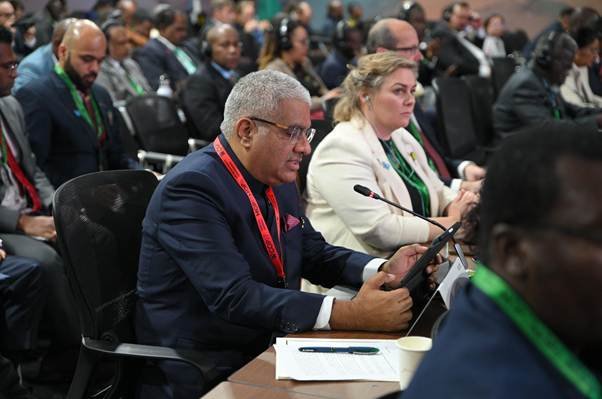
On 28 October, MSME Minister Jitan Ram Manjhi released ₹1,000 crore of margin money subsidy under the Prime Minister's Employment Generation Programme (PMEGP) for 11,333 new micro-enterprises in New Delhi. The tranche backs about ₹3,260 crore of bank loans and is expected to create over 1.02 lakh jobs, mainly in rural areas.
Why in news
PMEGP is the Centre's main credit-linked subsidy scheme for first-time entrepreneurs in the non-farm sector. Since 2014-15, it has helped set up over 8.38 lakh units with over ₹25,193 crore of subsidy, generating about 75 lakh jobs.
Prelims pointers
- PMEGP was launched in 2008-09 by merging the Prime Minister's Rozgar Yojana (PMRY) and the Rural Employment Generation Programme (REGP).
- The Khadi and Village Industries Commission (KVIC) is the national nodal agency. State KVIBs, District Industries Centres and the Coir Board also implement it.
- Margin money subsidy is 15% (urban) and 25% (rural) for the general category, and 25% (urban) and 35% (rural) for special categories such as SC, ST, OBC, women, minorities, ex-servicemen, persons with disabilities and units in the North East, hill and border areas.
- The maximum project cost is ₹50 lakh for manufacturing units and ₹20 lakh for service units.
- About 80% of assisted units are in rural areas, nearly 50% of beneficiaries are from SC, ST or OBC categories, and around 40% of units are owned by women.
- The KVIC is a statutory body set up in 1956 under the KVIC Act and works under the Ministry of MSME.
Mains angle
PMEGP turns job seekers into small employers by lowering the equity burden on a bank loan, which matters most in rural areas with few salaried jobs. Its weak spots are loan rejections by banks, delays in subsidy release, and the survival of units after the first two or three years.