National HPV vaccination campaign crosses 1 crore doses in under nine months; six States reach full coverage
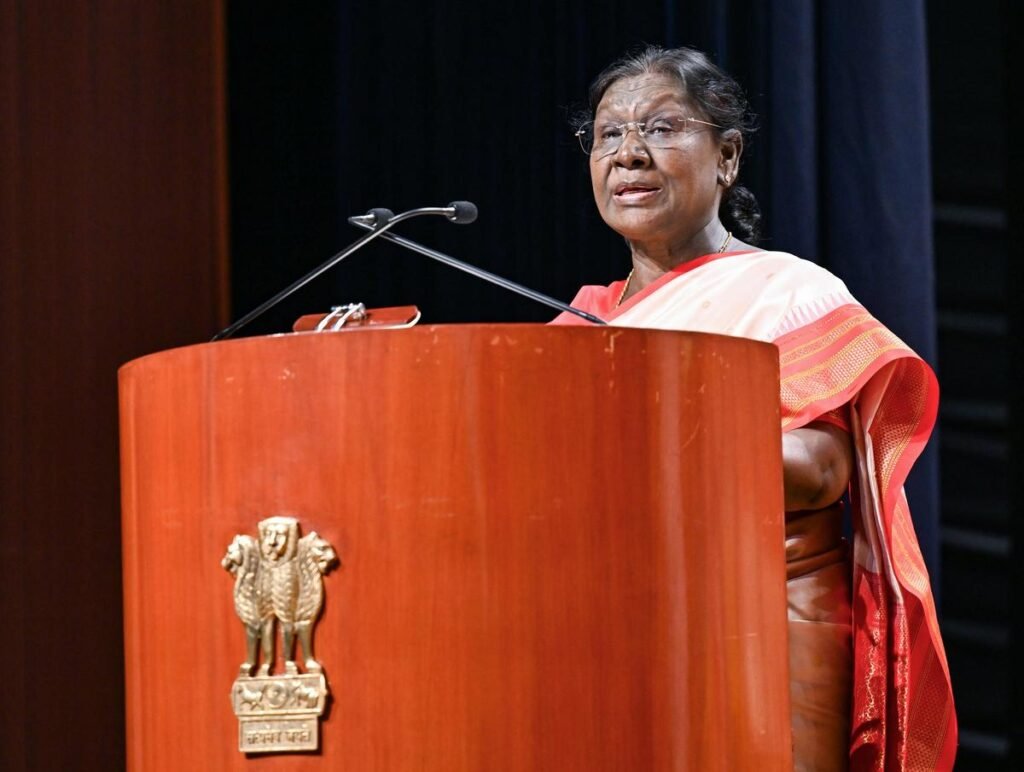
The Health Ministry announced on 23 November that the National HPV Vaccination Campaign has crossed 1 crore doses, covering nearly 87% of the annual cohort of about 1.2 crore 14-year-old girls. PM Narendra Modi lauded the milestone, and the WHO South-East Asia Region also acknowledged it.
Why in news
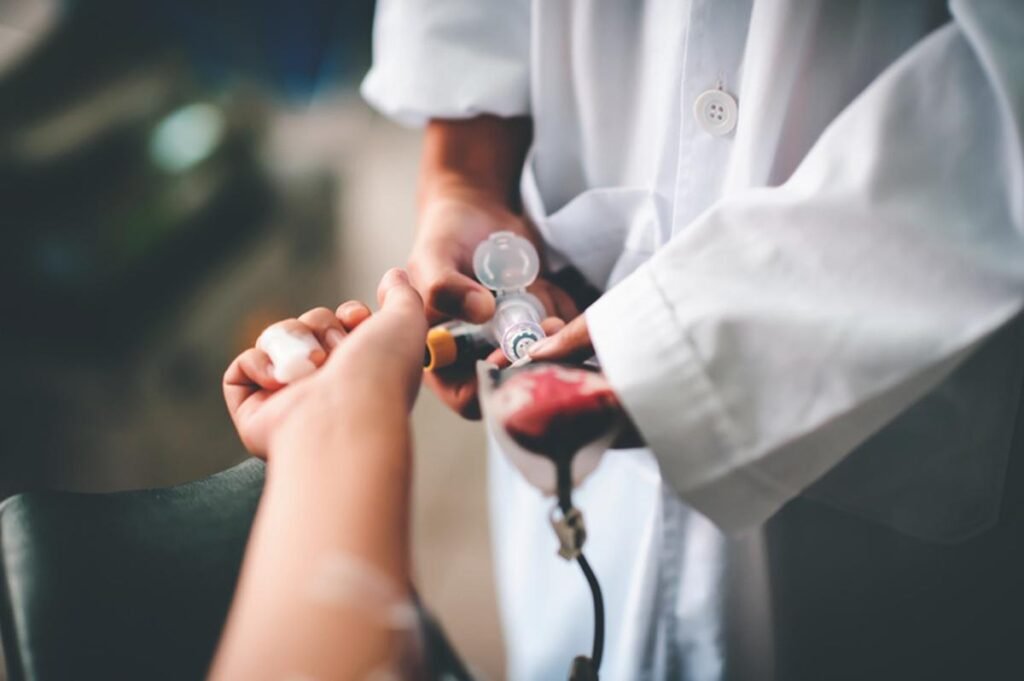
Background: PM Modi launched the campaign from Ajmer, Rajasthan, on 28 February 2026. Cervical cancer is the second most common cancer among women in India, and nearly all cases are caused by persistent infection with high-risk types of the human papillomavirus (HPV). The vaccine is free and voluntary, given with parental consent at government health facilities.
Prelims pointers
- Six States have achieved 100% coverage of their targets: Gujarat, Uttar Pradesh, Andhra Pradesh, Mizoram, Madhya Pradesh and Bihar.
- Uttar Pradesh leads in numbers, with 29.33 lakh girls vaccinated.
- The programme uses a single dose of Gardasil-4, a quadrivalent vaccine against HPV types 6, 11, 16 and 18, procured through Gavi, the Vaccine Alliance.
- HPV types 16 and 18 cause most cervical cancers; types 6 and 11 cause genital warts.
- Registration, appointments and certificates run on U-WIN, the digital platform of the Universal Immunisation Programme.
- On 24 November, Assam reported 97.2% coverage, with 3.17 lakh girls aged 14–15 vaccinated.
Mains angle
A single-dose, school-age campaign at this scale brings India closer to WHO's goal of eliminating cervical cancer as a public health problem. Sustaining coverage every year, building trust against vaccine hesitancy and expanding screening for adult women are the next challenges.