ICMR’s SAMPADA survey finds 56% of women and 42% of young children anaemic; severe cases below 2%
The Indian Council of Medical Research (ICMR) on 23 November released findings of SAMPADA 2023–25, the Survey for Assessment of Markers of Population Health, Activity, Diet and Anthropometry, conducted by ICMR-National Institute of Nutrition (NIN), Hyderabad. It reports lower anaemia than earlier national surveys, with most cases mild.
Why in news
Background: NFHS-5 (2019–21) had reported anaemia in 67.1% of children aged 6–59 months and 57% of women aged 15–49. NFHS tests capillary (finger-prick) blood, while SAMPADA used venous blood, so the numbers are not strictly comparable. India runs the Anaemia Mukt Bharat programme, launched in 2018, to reduce anaemia across age groups.
Prelims pointers
- Scale: over 2 lakh people from 81,000+ households in 183 districts across 35 States and UTs; over 1.7 lakh blood samples tested for haemoglobin.
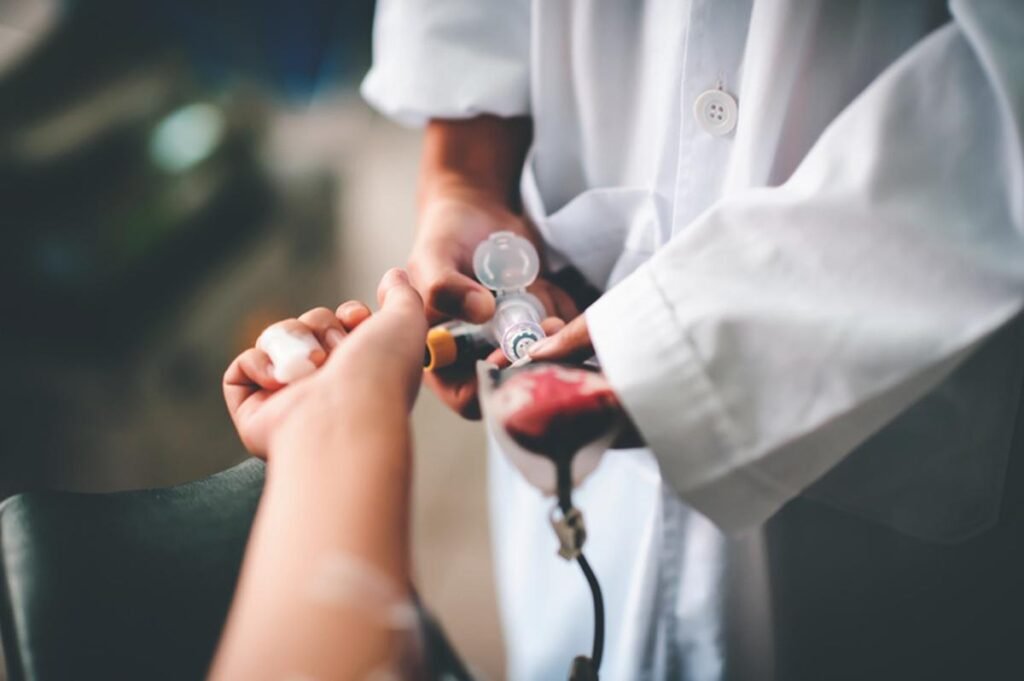
- Method: venous blood analysed on automated analysers, considered the gold standard for accuracy.
- Prevalence: 42% among children aged 12–59 months, 46% among adolescent girls (10–19), 56% among women of reproductive age, and 22–23% among adolescent boys and men.
- Severe anaemia is below 2% in most age groups; about half of anaemic women, adolescent girls and children have only mild anaemia, and about three-fourths of anaemic males.
- Iron deficiency explains about half of the anaemia among women, adolescent girls and children; vitamin B12 and folate deficiency rates were similar in anaemic and non-anaemic people.
- Among States, anaemia in children aged 12–59 months is highest in Andhra Pradesh and lowest in Keralam.
Mains angle
The finding that most anaemia is mild and only half is due to iron deficiency suggests a one-size iron supplement approach is not enough. Infections, haemoglobin disorders and chronic inflammation also need attention, and the gap between finger-prick and venous estimates raises questions about how India measures anaemia.