India announces its largest-ever aid package of ₹15,000 crore for Nepal; foundation laid for 669 MW Lower Arun project
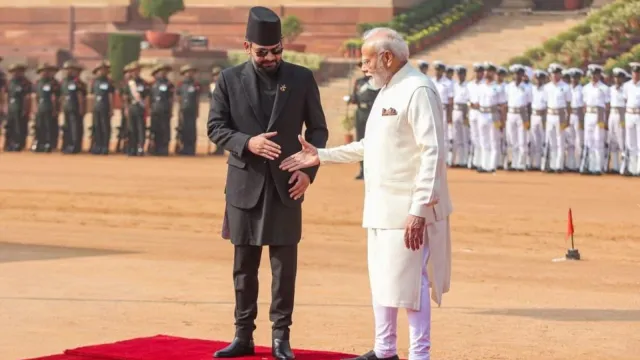
After talks between PM Narendra Modi and Nepal PM Balendra Shah at Hyderabad House on 23 November, India announced a development cooperation package of ₹15,000 crore (about NPR 24,000 crore). Foreign Secretary Vikram Misri called it the largest-ever financial assistance package from India to Nepal. The two sides also exchanged eight MoUs and launched a set of energy and connectivity projects.
Why in news
Background: Shah's two-day state visit (22–23 November) was his first bilateral visit abroad since becoming Prime Minister in March 2026. Since 2006, India had extended lines of credit worth about US$ 750 million to Nepal, so this package marks a big jump in scale. Nepal was also hit by natural disasters earlier in 2026, which shaped the reconstruction part of the package.
Prelims pointers
- Of the ₹15,000 crore, ₹11,500 crore is a concessional line of credit focused on energy and ₹3,500 crore is in grants for reconstruction and infrastructure; projects will be identified later.
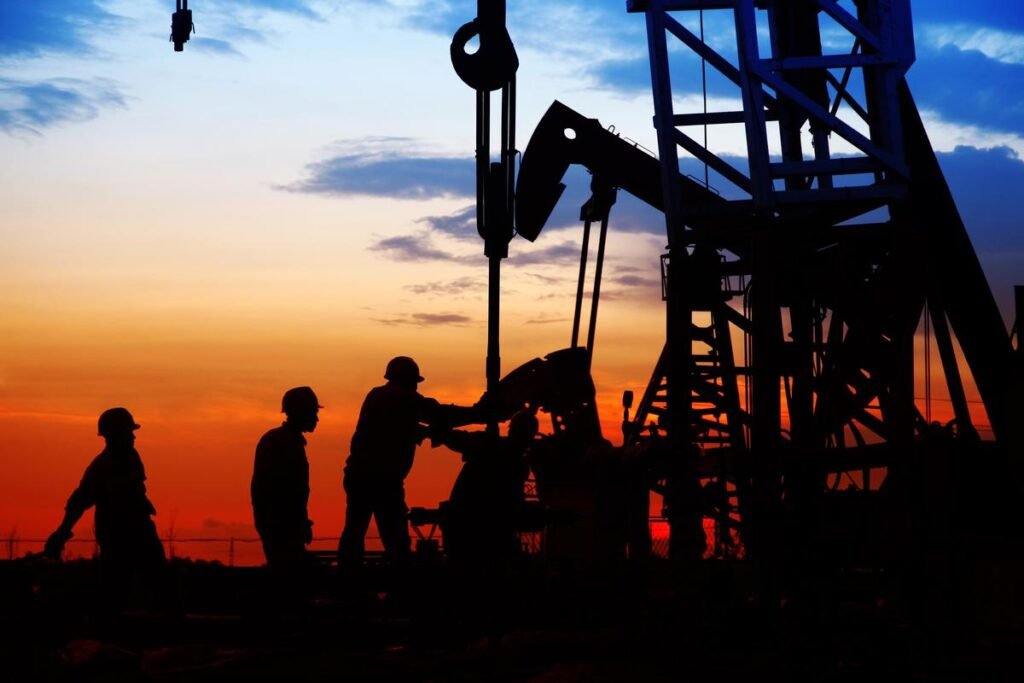
- Foundation stone laid for the 669 MW Lower Arun Hydroelectric Project; Phase II of the Motihari–Amlekhgunj oil pipeline dedicated; foundation laid for the Jhapa petroleum terminal of the planned Siliguri–Jhapa pipeline.
- A motorable bridge between Dharchula (Uttarakhand) and Darchula (Nepal) was inaugurated, and the foundation stone was laid for an Integrated Check Post at Banbasa (Uttarakhand).
- Nepal's transit cargo will get access to Deendayal Port (Kandla, Gujarat) and Paradip Port (Odisha), the latter after the required infrastructure work.
- MoUs include ISRO with Nepal's Ministry of Information and Communication for a satellite communication network using the South Asia Satellite, plus pacts on forensics, police training, governance, Ayurveda and health.
- India will work towards an offshore IIT campus in Nepal; an agro-industrial park in Chitwan was agreed, and the survey for the Raxaul–Kathmandu electrified broad-gauge rail line was finalised.
Mains angle
The package shifts India's support from small grants to large, energy-linked credit, tying Nepal's hydropower growth to Indian demand and transit. It also counters China's BRI pitch in Nepal. Past delays in Indian projects and the unresolved Kalapani–Lipulekh boundary issue remain the tests of delivery.