
Lenders propose institutional home loans for PMAY-G beneficiaries at MoRD-NHB Reform Samvad
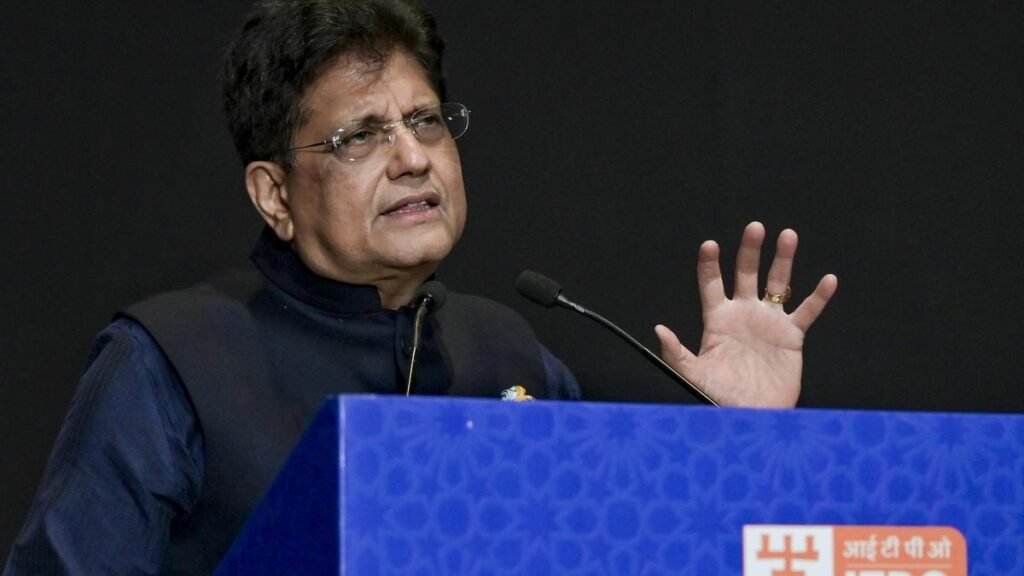
At the "PMAY-G Reform Samvad" organised by the Ministry of Rural Development and the National Housing Bank (NHB) in Lonavala, lenders proposed dedicated rural housing loans of ₹2-5 lakh for Pradhan Mantri Awaas Yojana-Gramin beneficiaries, with repayment aligned to seasonal incomes. The ministry released the outcome on 2 November.
Why in news
Background: PMAY-G aims to build 4.95 crore pucca houses by March 2029. The dialogue explored how bank credit could help rural families build bigger or better homes beyond the government grant, with housing finance companies, regional rural banks, small finance banks, microfinance institutions, the World Bank and the IFC taking part.
Prelims pointers
- Lenders proposed a government-backed partial credit guarantee, interest subvention, concessional funding and NHB refinance to keep loans affordable.
- They sought land and property reforms from States, including allowing mortgage of allotted property and stamp duty concessions.
- They also asked for regulatory norms suited to rural borrowers, such as differentiated NPA and provisioning rules.
- Last-mile delivery was proposed through Gram Panchayats, DAY-NRLM self-help groups and the LokOS digital platform.
- PMAY-G was launched in 2016 by restructuring the Indira Awaas Yojana. Unit assistance is ₹1.20 lakh in plain areas and ₹1.30 lakh in hilly States, difficult areas and the North-East.
- Beneficiaries are identified using Socio-Economic Caste Census (SECC) 2011 data and the Awaas+ survey, verified by Gram Sabhas.
- The NHB was set up in 1988 under the National Housing Bank Act, 1987. It has been wholly owned by the Government of India since 2019, when the RBI's stake was transferred.
Mains angle
Grants alone rarely cover the cost of a decent house, and many rural families fall back on costly informal loans. Linking PMAY-G with formal credit could improve housing quality and financial inclusion together. The risks are over-indebtedness of poor households and weak repayment capacity during crop failures, so guarantees and flexible repayment are essential.