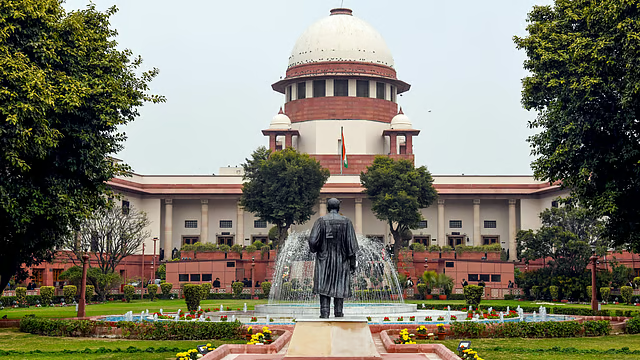
EC tells Supreme Court: voters left out during SIR can reapply via Form 6 without fear of prosecution
In an affidavit to the Supreme Court, the Election Commission said voters missing from the draft electoral rolls during the Special Intensive Revision (SIR), despite being enrolled earlier, can reapply through Form 6 without fear of prosecution. This applies if they are not enrolled elsewhere and their declaration is otherwise lawful.
Why in news
Background: Voters had feared prosecution under Section 31 of the Representation of the People Act for filing Form 6, which is meant for new voters, despite earlier enrolment. On 6 November, the EC directed Chief Electoral Officers to let such voters submit enumeration forms for their current residence.
Prelims pointers
- Voters can submit the enumeration form (Annexure A) to the ERO, AERO or Booth Level Officer for their current residence. Those who have not shifted can add an Annexure B statement explaining the delay.
- Forms can be submitted in person or through family members. Online submission with e-sign will be available on ECINET.
- Chief Electoral Officers have been asked to publicise the clarification and reach out to ASD (absent, shifted, dead) and duplicate voters.
- The EC said it is setting up a mechanism to ensure eligible electors are not left out of the final roll while avoiding duplicate enrolment.
- Section 31 of the Representation of the People Act, 1950 penalises making false declarations in connection with electoral rolls.
- Form 6 is for new registration, Form 7 for objections or deletion, and Form 8 for corrections or shifting of residence.
Mains angle
The SIR aims to clean electoral rolls, but large-scale verification risks excluding genuine voters, especially migrants and the poor. The EC's clarification lowers the fear of legal action and gives excluded voters a clear path back. Wide publicity, simple procedures and transparent lists of deletions are needed so that no eligible citizen loses the right to vote.