
Cabinet clears ₹14,500 crore viability gap funding for 92 GWh grid-scale energy storage
The Union Cabinet on 4 November approved ₹14,500 crore of viability gap funding (VGF) for developing 92 GWh of grid-scale energy storage between FY 2026-27 and 2030-31.
Why in news
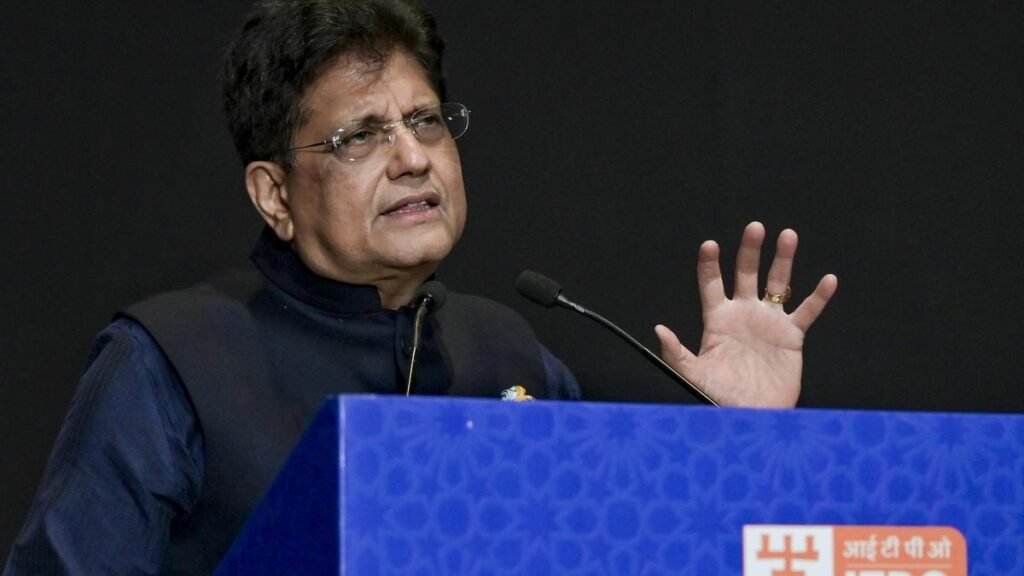
Background: Solar plants generate nothing at night, so transmission lines built for them stay idle for part of the day. Briefing the media, the I&B Minister said storage will allow India to use its existing transmission capacity many times more effectively and integrate more renewable power into the grid.
Prelims pointers
- The 92 GWh is split into Battery Energy Storage Systems (30 GWh), Pumped Storage Projects (60 GWh) and emerging storage technologies (2 GWh).
- Pumped storage uses surplus power to pump water to an upper reservoir and releases it downhill to generate electricity when needed.
- GWh (gigawatt-hour) measures energy stored. GW (gigawatt) measures power output at an instant.
- Viability Gap Funding is a one-time capital grant that makes a project financially viable when tariffs alone cannot recover its cost.
- In September 2023, the Cabinet approved the first VGF scheme for BESS, targeting 4,000 MWh of projects by 2030-31, with support of up to 40% of capital cost.
- India's target is 500 GW of non-fossil installed capacity by 2030.
Mains angle
India's renewable push now faces an integration problem: surplus solar at noon, peak demand in the evening, and curtailment of clean power. Storage converts variable power into firm, dispatchable power. Pumped storage is cheap over a long life but needs suitable sites and raises ecological concerns, while batteries are quick to build but depend on imported cells and critical minerals.