Villages without 4G connectivity fall by three-fourths in four years
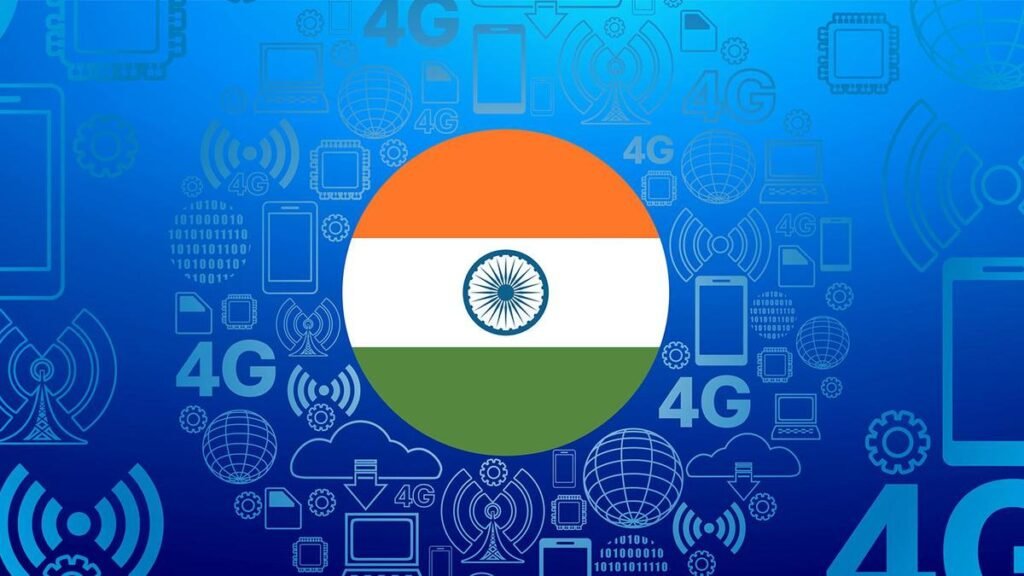
According to Department of Telecommunications (DoT) data obtained by The Hindu under the RTI Act, the number of villages without 4G access fell from 45,180 in 2022 to 11,372, about a fourth of the earlier figure. The decline is partly due to BSNL's 4G saturation project.
Why in news
Background: The fall goes beyond the saturation scheme's original target of 24,680 villages, indicating complementary efforts by private operators. The Hindu notes that the DoT has yet to finish procedures to approve any satellite internet provider, which in theory could cover the remaining villages. Rural rollout is costly because villages are sparse and operators must spend heavily to reach relatively few users.
Prelims pointers
- The 4G saturation project, approved by the Union Cabinet in 2022, aims to provide 4G mobile services in uncovered villages through BSNL.
- Mobile broadband is the main way most Indians access the internet. Additions to wired broadband subscriptions have stagnated for months.
- The Digital Bharat Nidhi, which replaced the Universal Service Obligation Fund under the Telecommunications Act, 2023, funds connectivity in rural and remote areas.
- BharatNet aims to connect all gram panchayats with optical fibre broadband.
- Satellite communication (satcom) can reach remote areas where laying fibre and building towers is not viable.
Mains angle
Closing the last-mile gap is essential for digital public infrastructure such as UPI, DBT, telemedicine and online education to reach everyone. The remaining villages are the hardest and most expensive to serve, so public funding, shared infrastructure and satellite options will be needed. Affordability of smartphones and digital literacy also matter as much as network coverage.