SC-appointed panel recommends three-year roadmap to phase out unsustainable sand mining from river channels
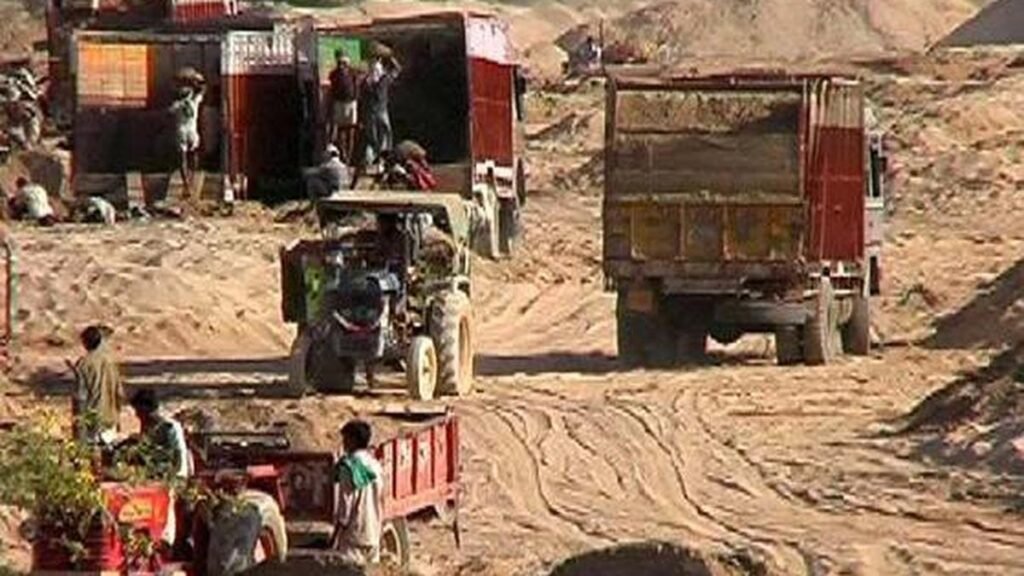
The Supreme Court-appointed Central Empowered Committee (CEC) has recommended a time-bound roadmap to phase out unsustainable sand extraction from active river channels over the next three years. The recommendations are part of its report in a case on illegal sand mining in the National Chambal Sanctuary.
Why in news
Background: The CEC says unscientific sand extraction causes riverbed degradation, threatens bridges and other infrastructure, depletes groundwater, destroys aquatic and riverbank habitats, and changes river flow. It notes there is no reliable national database on the volume or value of illegally extracted river sand.
Prelims pointers
- The CEC suggested alternatives such as scientific desilting of dams and reservoirs and recycling construction and demolition (C&D) waste into sand and aggregates.
- It recommended scientific identification of mineable stretches, regular replenishment studies and stronger monitoring.
- The CEC was formed in 2002 on the Supreme Court's order and has been a statutory body since 2023.
- Sand is a minor mineral. States make rules for minor minerals under the Mines and Minerals (Development and Regulation) Act, 1957.
- The Environment Ministry issued Sustainable Sand Mining Management Guidelines in 2016 and Enforcement and Monitoring Guidelines for Sand Mining in 2020.
- The National Chambal Sanctuary, spread across Rajasthan, Madhya Pradesh and Uttar Pradesh, is a key habitat of the critically endangered gharial.
Mains angle
Sand is the most extracted material after water, and booming construction has fuelled illegal mining, often by organised groups. Over-extraction damages rivers, groundwater and wildlife, and puts bridges at risk. A shift to manufactured sand, C&D waste recycling and reservoir desilting, along with transparent tracking, can reduce pressure on rivers.