Global Carbon Project: fossil CO2 emissions fall 0.4% in 2026, but mainly due to the Iran war oil shock; India’s rise 4.4%
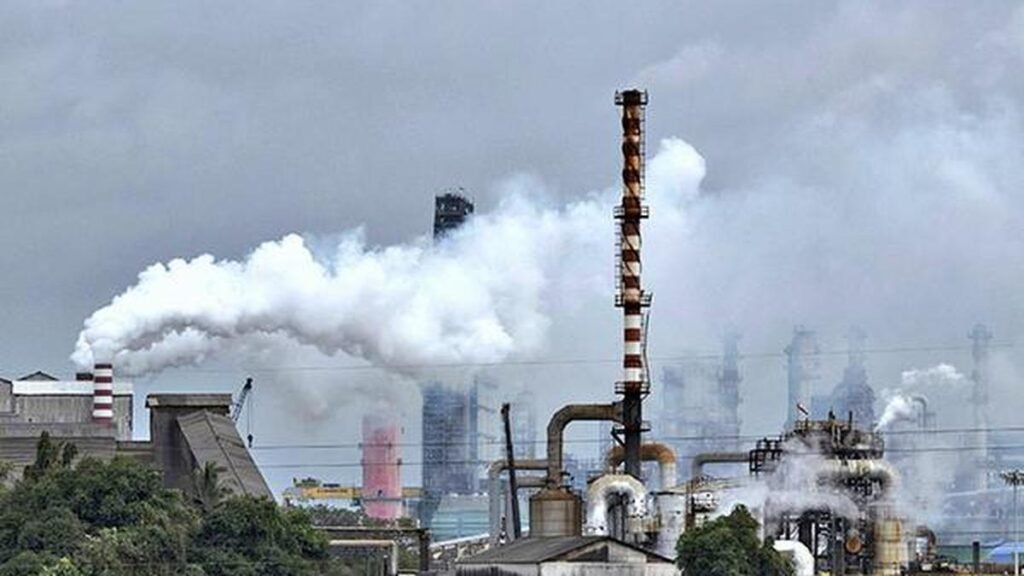
The Global Carbon Project estimates that the world emitted 42.2 billion tonnes of carbon dioxide from fossil fuels in 2026, a 0.4% fall from last year. Scientists attribute the drop mainly to oil shocks from the Iran war and the effective closure of the Strait of Hormuz, rather than to climate policy. The figures were presented at COP31 in Antalya.
Why in news
Background: Oil emissions fell nearly 2% and natural gas emissions fell 0.3%, while coal emissions rose 0.6%. Overall CO2 emissions, including land use, rose about 1% because deforestation and peat fires increased. China, the US, Europe and Japan each showed about a 1% decline, while India's fossil fuel emissions rose 4.4%.
Prelims pointers
- This is the third fall in global fossil CO2 emissions this century, after the 2009 global recession and the 2020 COVID-19 pandemic.
- The 42 billion tonnes amount to about 1,335 tonnes of CO2 entering the atmosphere every second.
- The Global Carbon Project involves more than 140 scientists and publishes its estimates in Earth System Science Data.
- Some experts see China's decline as a sign its emissions may have peaked, driven by rapid growth in solar, wind and electric vehicles.
- The Strait of Hormuz connects the Persian Gulf with the Gulf of Oman and is a key route for global oil and LNG shipments.
Mains angle
A fall in emissions driven by a supply shock is not a structural transition, and emissions often rebound after such shocks. For India, rising emissions reflect growth and development needs, strengthening its case for equity and finance in climate talks. At the same time, the energy shock highlights the strategic value of reducing oil import dependence through renewables and electrification.