CSIR-CCMB scientists identify potential new targets to fight tuberculosis
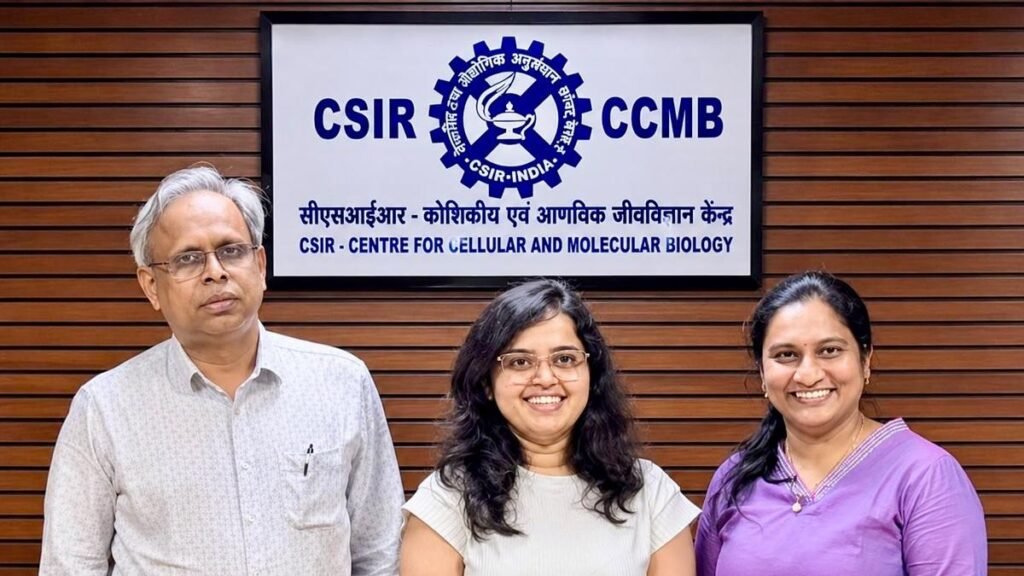
Scientists at the CSIR-Centre for Cellular and Molecular Biology (CCMB), Hyderabad, have identified critical weaknesses in Mycobacterium tuberculosis, the bacterium that causes TB. The finding could help develop new treatments.
Why in news
Background: According to the WHO Global TB Report 2025, India accounts for nearly a quarter of global TB cases and about a third of drug-resistant infections. Drug-resistant TB needs a combination of antibiotics over several months and is becoming harder to treat as resistant strains emerge.
Prelims pointers
- TB is caused by the bacterium Mycobacterium tuberculosis and mainly affects the lungs. It spreads through the air.
- Multi-drug resistant TB (MDR-TB) does not respond to the two most powerful first-line drugs, isoniazid and rifampicin.
- India's National TB Elimination Programme aims to end TB ahead of the SDG target of 2030.
- Ni-kshay Poshan Yojana provides nutritional support to TB patients through direct benefit transfer.
- CCMB is a laboratory of the Council of Scientific and Industrial Research (CSIR) in Hyderabad.
Mains angle
New drug targets are vital because resistance is outpacing the current pipeline of TB medicines. For India, which carries the world's largest TB burden, domestic research can lower costs and speed up access to new treatments. Science must be matched by early diagnosis, nutrition support and treatment adherence to end TB.