
Centre tells Supreme Court it may set up a committee to re-examine UGC’s 2026 equity regulations
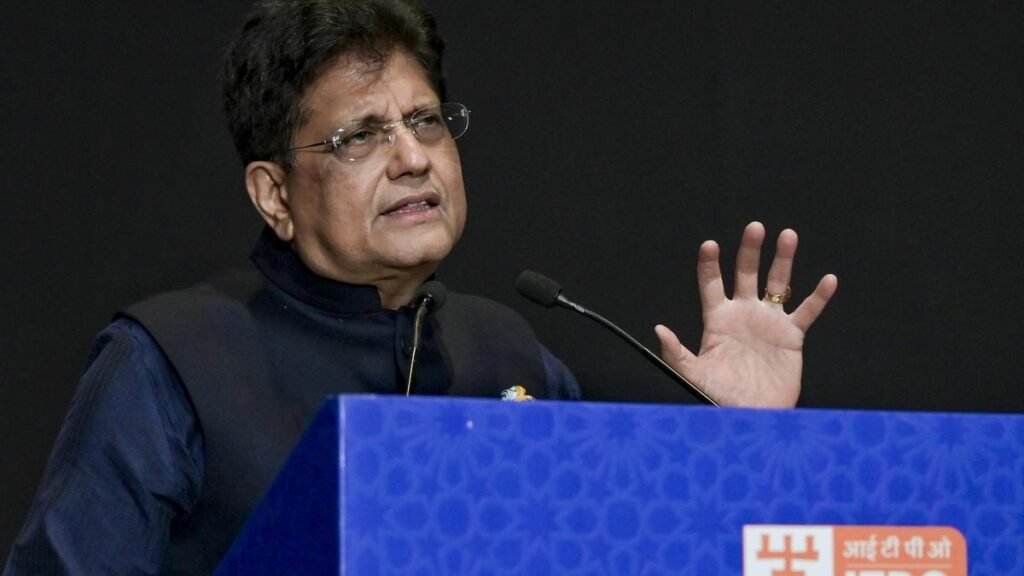
On 5 November, Solicitor General Tushar Mehta told a Supreme Court bench of Chief Justice Surya Kant and Justice Joymalya Bagchi that the Government is contemplating a committee to re-examine the University Grants Commission's 2026 equity regulations. The Court adjourned the matter for four weeks.
Why in news
Background: The UGC notified the equity regulations in January 2026, replacing its 2012 framework. The Supreme Court stayed them the same month, finding them prima facie vague and open to misuse, so the 2012 regulations continue. The lead case was filed in 2019 by the mothers of Rohith Vemula and Payal Tadvi, who died by suicide after alleged caste discrimination on campus.
Prelims pointers
- The lead matter is Abeda Salim Tadvi v. Union of India, seeking stronger safeguards against caste discrimination in higher education.
- Regulation 3(1)(c) of the 2026 regulations defines caste-based discrimination as unfair treatment directed at members of SCs, STs and OBCs.
- Some petitioners argue the framework excludes general category students and could be misused. Others defend targeted protection for marginalised groups.
- The UGC is a statutory body set up under the UGC Act, 1956, under the Ministry of Education.
- Article 15 prohibits discrimination on grounds of caste, and Article 17 abolishes untouchability.
Mains angle
Caste discrimination on campuses is a real problem, reflected in dropout rates and student suicides. Effective regulations need clear definitions, fair procedures and independent grievance bodies, so that they protect vulnerable students without becoming tools for misuse. A balanced redraft can address both concerns.