Census 2027: MHA notifies population enumeration from 25 January to 28 February 2027; reference date 1 March 2027
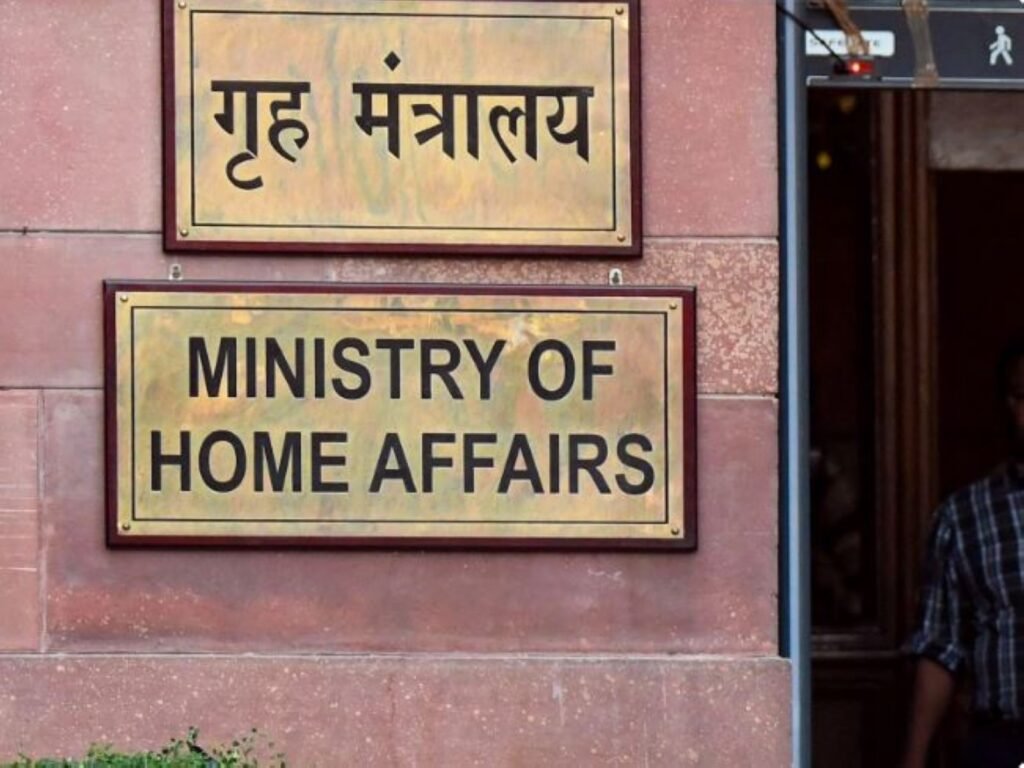
On Friday, 30 October 2026, the Ministry of Home Affairs notified the schedule for the second phase of Census 2027, population enumeration. House-to-house enumeration will run from 25 January to 28 February 2027, with online self-enumeration from 10 to 24 January 2027.
Why in news
Census 2027 is being held in two phases. Phase 1, House Listing and Housing Census, began in April 2026 and recorded housing conditions, amenities and assets. Phase 2 is population enumeration. The decennial Census due in 2021 was postponed, so 2011 remains the last completed Census. The schedule: Self-enumeration (online): 10 to 24 January 2027. House-to-house enumeration: 25 January to 28 February 2027. Revisional round: 1 to 5 March 2027. Reference date: 00:00 hours on 1 March 2027. Not covered by these dates: Manipur (until further declaration), Goa, Uttar Pradesh, Punjab, Uttarakhand, Ladakh and the snow-bound non-synchronous areas of Himachal Pradesh and Jammu and Kashmir. Reports link the exclusion of the first group to Assembly elections due in early 2027. What is new in Census 2027: First digital Census, with data collected through digital tools and an online self-enumeration option. First comprehensive caste enumeration of all communities since Independence. Until 2011, only SCs and STs were systematically counted. The Cabinet Committee on Political Affairs approved this on 30 April 2025. The household schedule has about 40 questions, covering age, marital status, religion, caste, education, employment, migration and disability. Approved outlay: ₹11,718.24 crore. Coverage: 36 States/UTs, about 6.39 lakh villages, 5,128 statutory towns and 4,580 census towns.
Prelims pointers
- The schedule was notified under Section 3 of the Census Act, 1948, read with Rules 6A and 6D of the Census Rules, 1990.
- Census is in the Union List (Entry 69, Seventh Schedule).
- The Registrar General and Census Commissioner of India functions under the Ministry of Home Affairs.
- Under the 84th Amendment Act, 2001, readjustment of Lok Sabha and Assembly seats is frozen until the first Census taken after 2026. Census 2027 can therefore open the way for delimitation.
- Caste data has a direct bearing on reservation policy and on the 50% ceiling set in Indra Sawhney (1992).
Mains angle
Census 2027 will shape India's policy for the next decade. It will reset welfare targeting, which still relies on 2011 data, and it can open the door to delimitation and the women's reservation law, both linked to the first Census after 2026. The caste count adds weight and controversy: it can improve targeting, but it may also sharpen demands to breach the 50% reservation cap. A digital census is faster, but data security and coverage of people without smartphones will need care.