
Cabinet overhauls Agnipath: two-year extension for Agniveers and a pathway to regular service
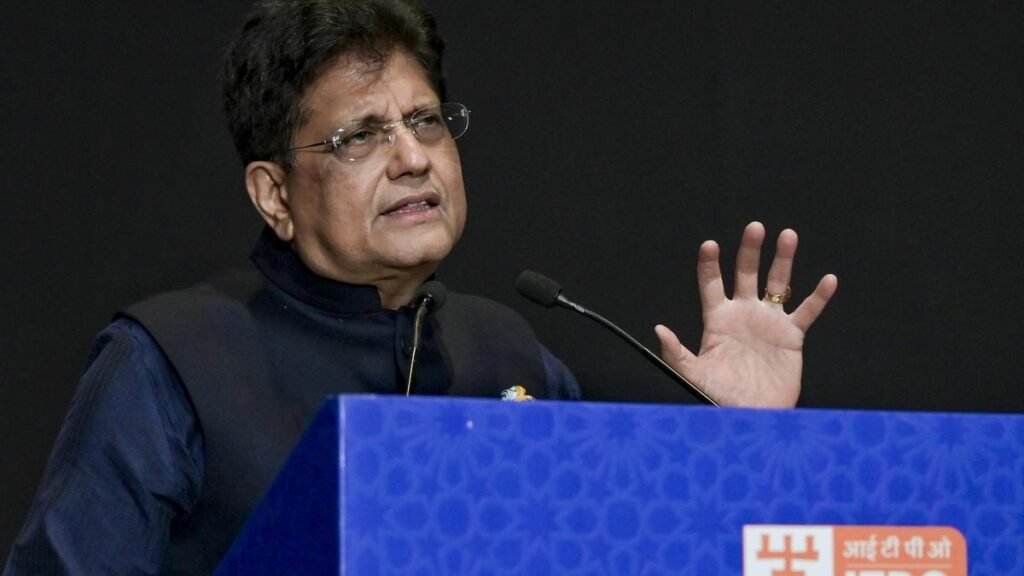
The Union Cabinet approved a revision of the Agnipath scheme, announced by Chief of Defence Staff General N.S. Raja Subramani. Agniveers who are not retained after four years will be offered a two-year extension with higher pay, after which willing personnel can be enrolled as regular soldiers, subject to objective selection criteria.
Why in news
Background: Agnipath was introduced on 14 June 2022. Agniveers serve four years, after which about 25% are retained in regular service on merit and the rest exit. The first batch of about 18,000 Agniveers was due to complete its four-year term within weeks. The Defence Forces recommended the change after reviewing the first batch's performance through a centralised tri-service database.
Prelims pointers
- Under the revised model, the top 25% on merit get regular service at the end of Year 4 (Tier 1).
- The remaining Agniveers can opt for a two-year engagement in Years 5 and 6 (Tier 2), with higher emoluments and an enhanced Seva Nidhi package.
- After Year 6, willing personnel can be enrolled as regular soldiers, subject to selection criteria.
- The original scheme set the entry age at 17.5 to 21 years. The upper limit was raised to 23 years for the first recruitment year.
- Seva Nidhi is a lump-sum exit package built from the Agniveer's monthly contribution plus a matching government contribution, and is exempt from income tax.
- The MHA reserved 10% of vacancies in the CAPFs and Assam Rifles for former Agniveers.
Mains angle
The revision addresses the biggest criticism of Agnipath: that 75% of trained soldiers would leave after four years with uncertain careers. A longer tenure improves operational experience and unit cohesion, and gives Agniveers more security. The trade-off is that it partly reduces the original goals of a younger profile and lower pension liabilities, so the selection and cost design will matter.